
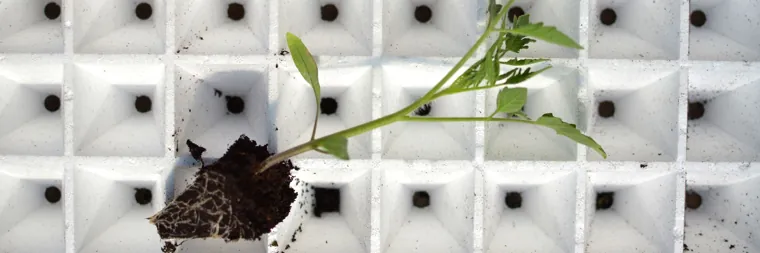
27 seedlings · 4 categories
Our seedlings
Own-root and grafted vegetable seedlings, aromatic and industrial seedlings, for open-field and protected cultivation, for professional growers and home gardeners.
Seedling catalogue
27 seedlings
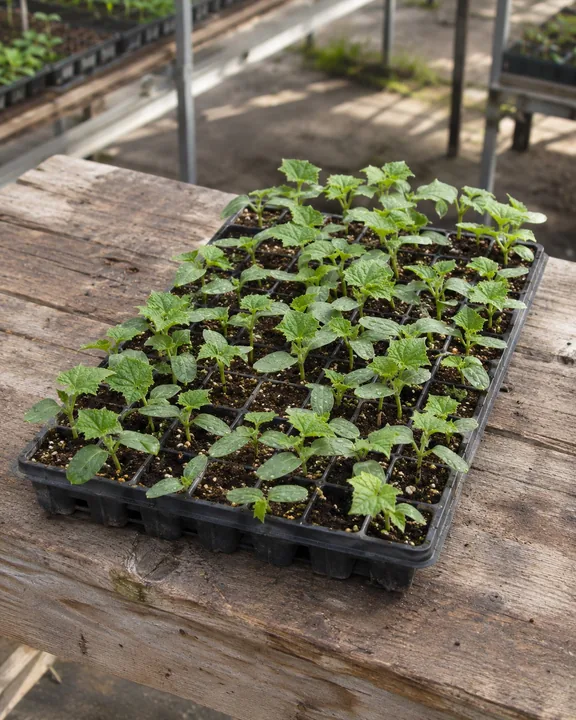 CucumberCucumis sativusCucumis sativus01 · Vegetable
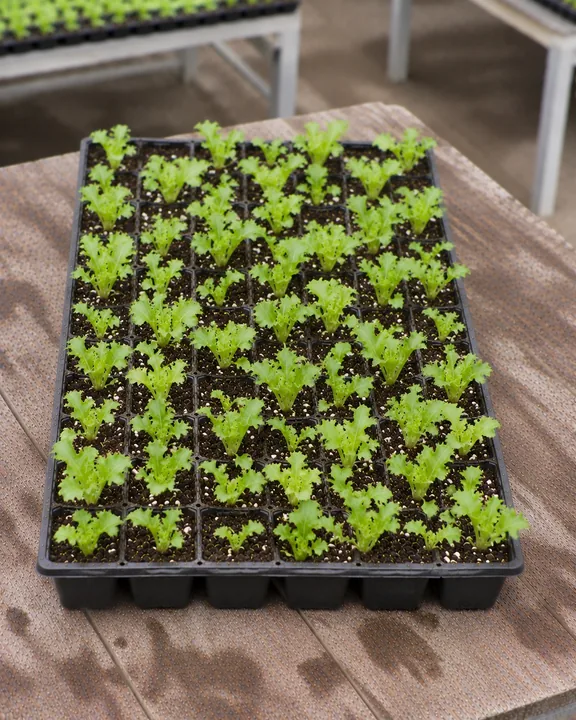 EndiveCichorium endiviaCichorium endivia01 · Vegetable
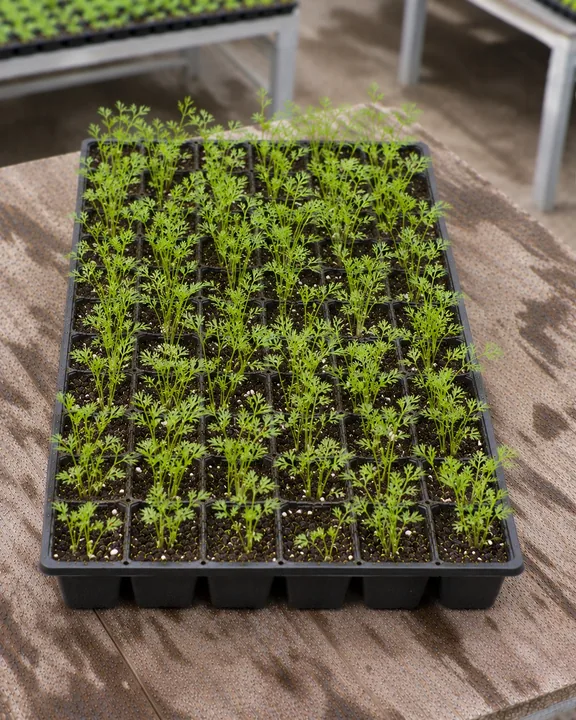 CarrotDaucus carotaDaucus carota01 · Vegetable
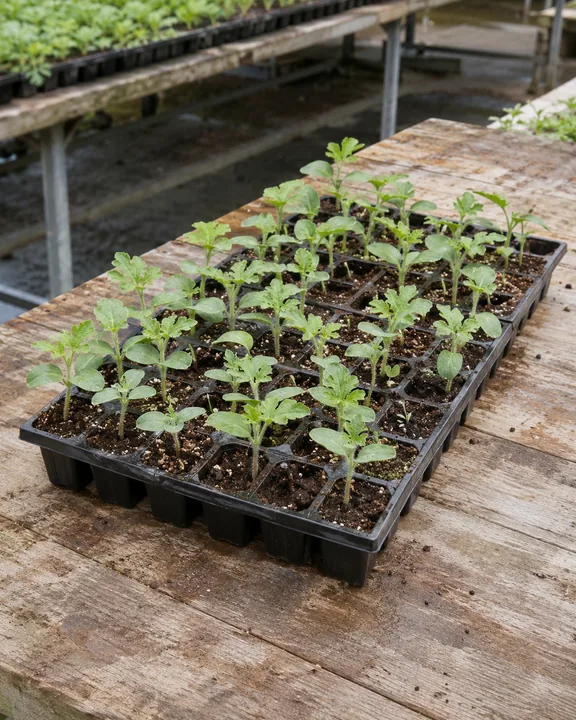 WatermelonCitrullus lanatusCitrullus lanatus01 · Vegetable
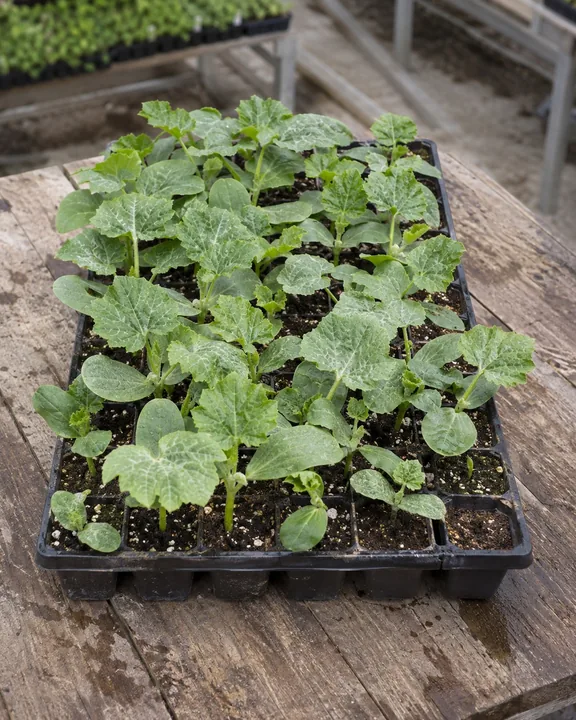 CourgetteCucurbita pepoCucurbita pepo01 · Vegetable
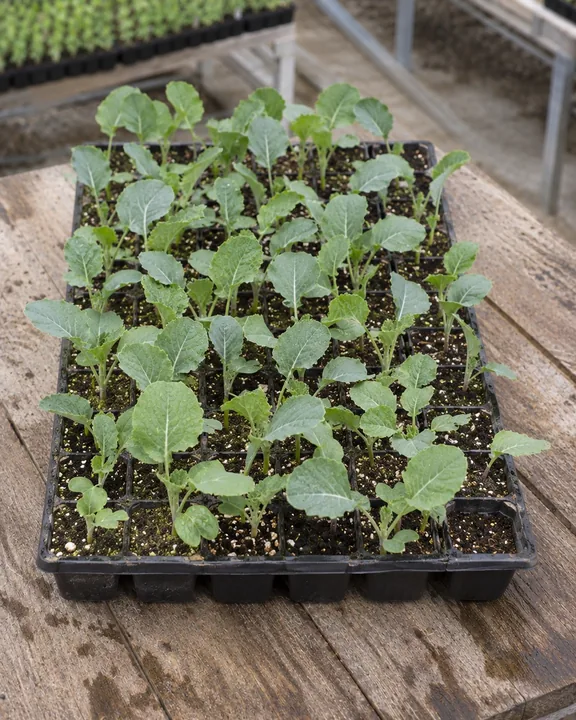 Cauliflower / BroccoliBrassica oleraceaBrassica oleracea01 · Vegetable
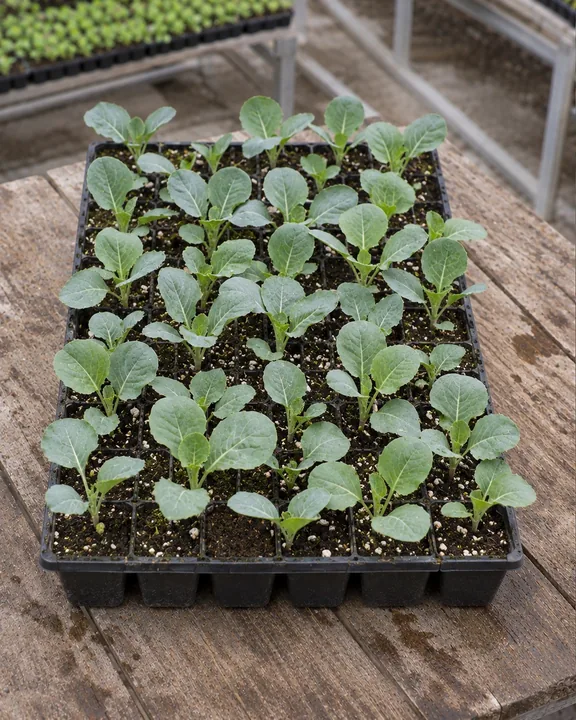 CabbageBrassica oleracea var. capitataBrassica oleracea var. capitata01 · Vegetable
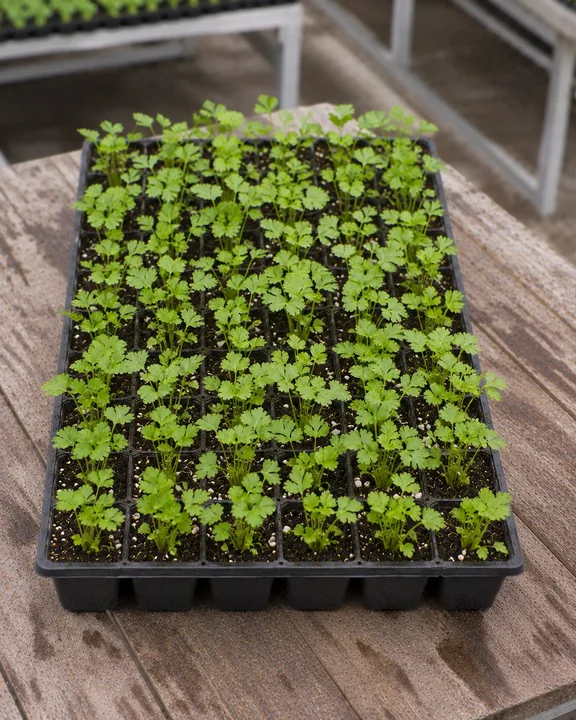 ParsleyPetroselinum crispumPetroselinum crispum01 · Vegetable
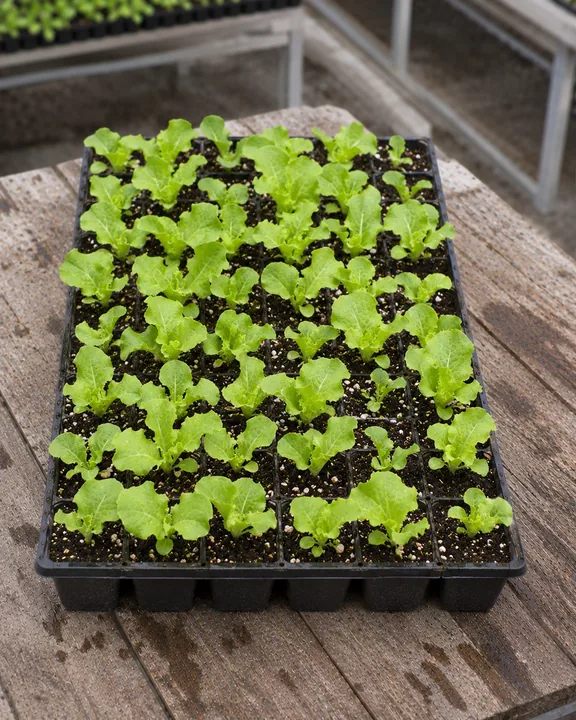 LettuceLactuca sativaLactuca sativa01 · Vegetable
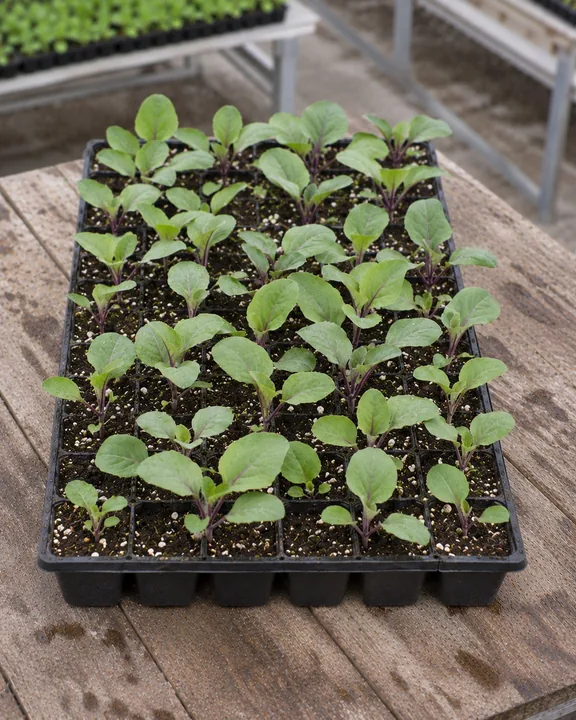 AubergineSolanum melongenaSolanum melongena01 · Vegetable
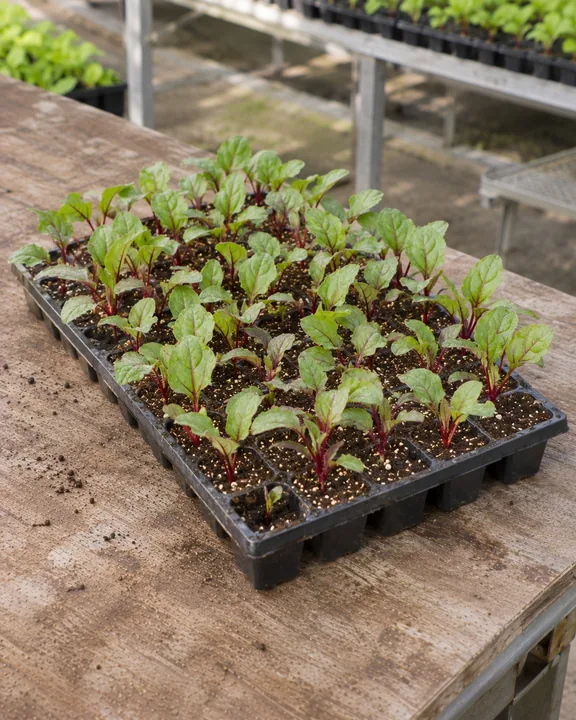 BeetrootBeta vulgarisBeta vulgaris01 · Vegetable
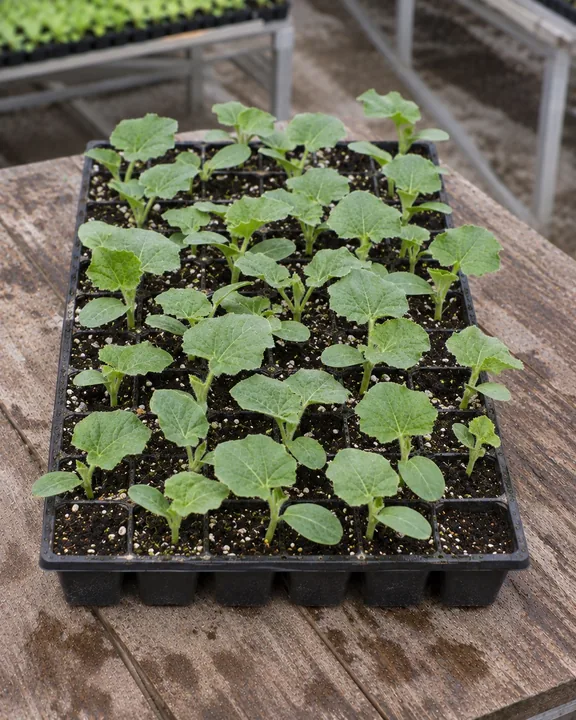 MelonCucumis meloCucumis melo01 · Vegetable
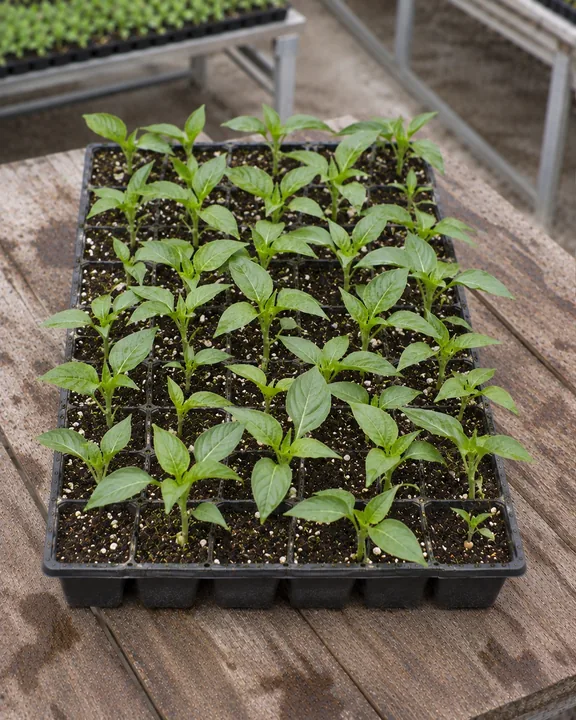 PepperCapsicum annuumCapsicum annuum01 · Vegetable
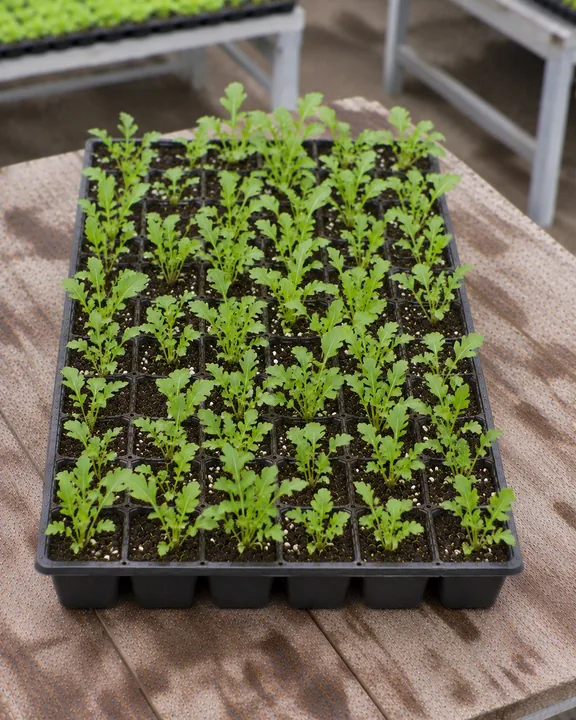 RocketEruca vesicariaEruca vesicaria01 · Vegetable
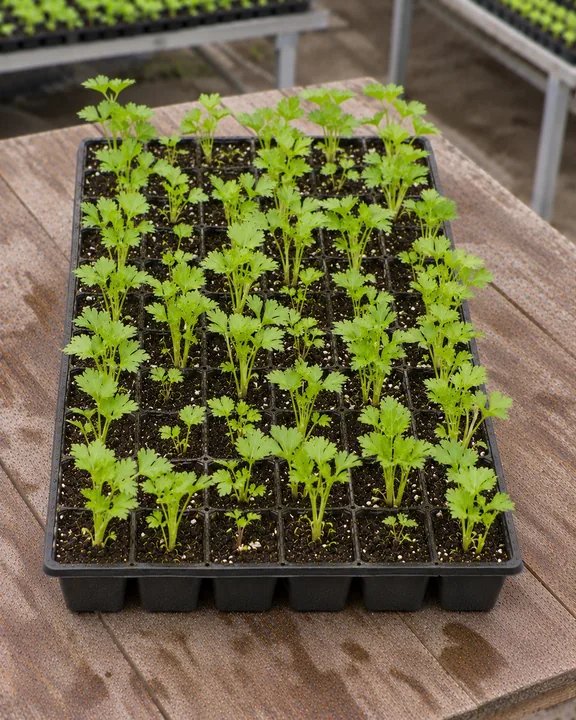 CeleryApium graveolens var. dulceApium graveolens var. dulce01 · Vegetable
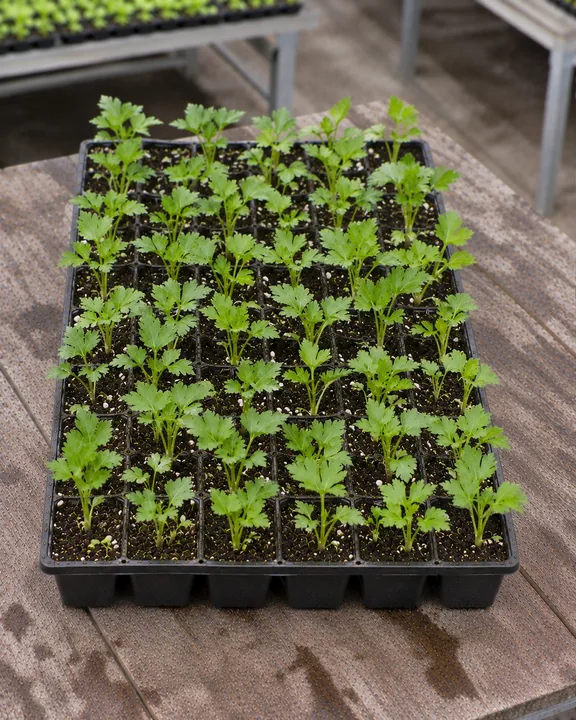 CeleriacApium graveolens var. rapaceumApium graveolens var. rapaceum01 · Vegetable
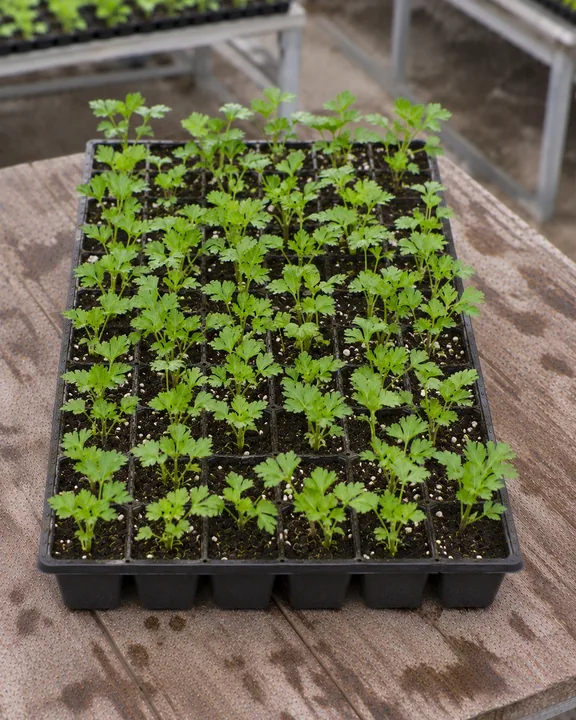 Leaf celeryApium graveolens var. secalinumApium graveolens var. secalinum01 · Vegetable
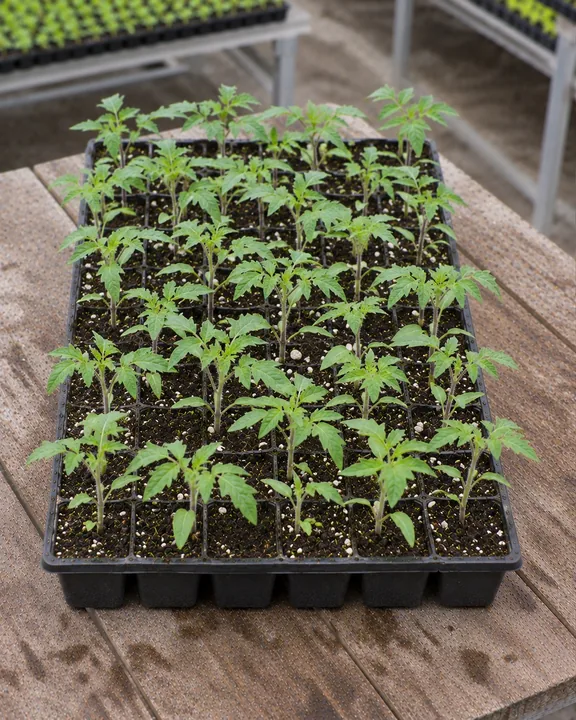 TomatoLycopersicon esculentumLycopersicon esculentum01 · Vegetable
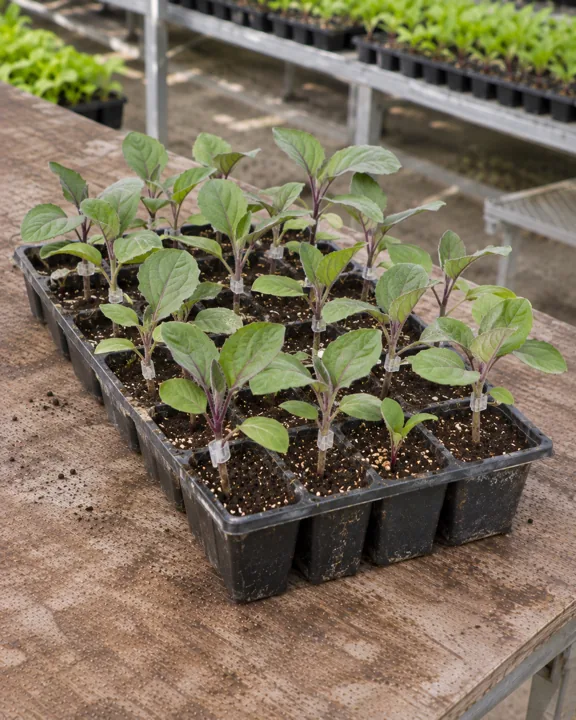 Grafted aubergine02 · Grafted
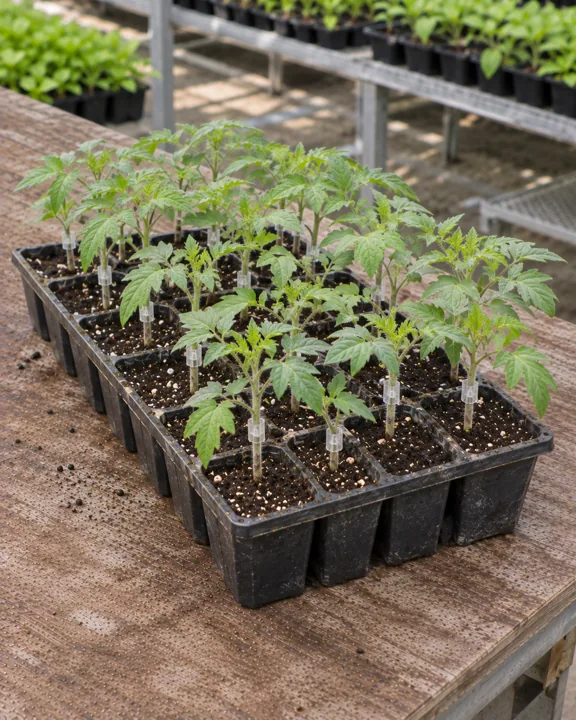 Grafted tomato02 · Grafted
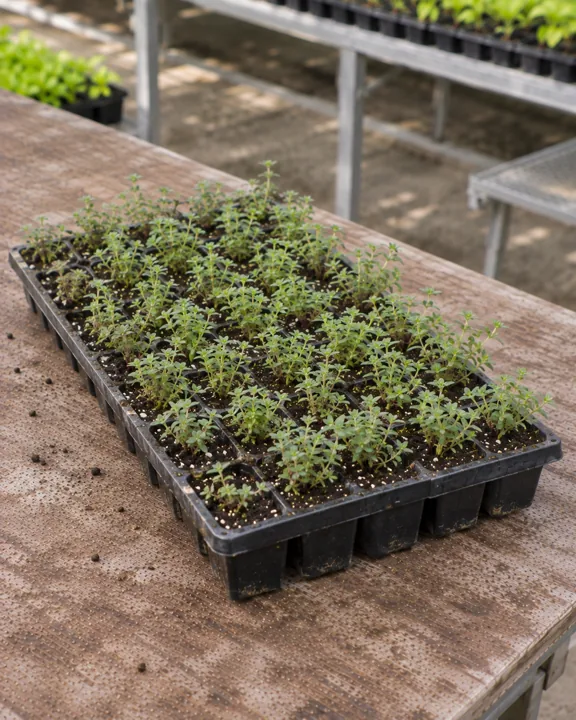 ThymeThymus vulgarisThymus vulgaris03 · Aromatic
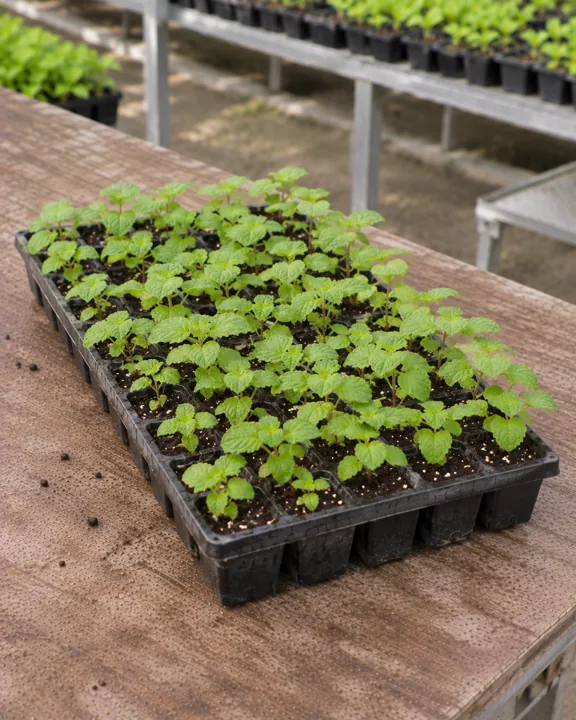 Lemon balmMelissa officinalisMelissa officinalis03 · Aromatic
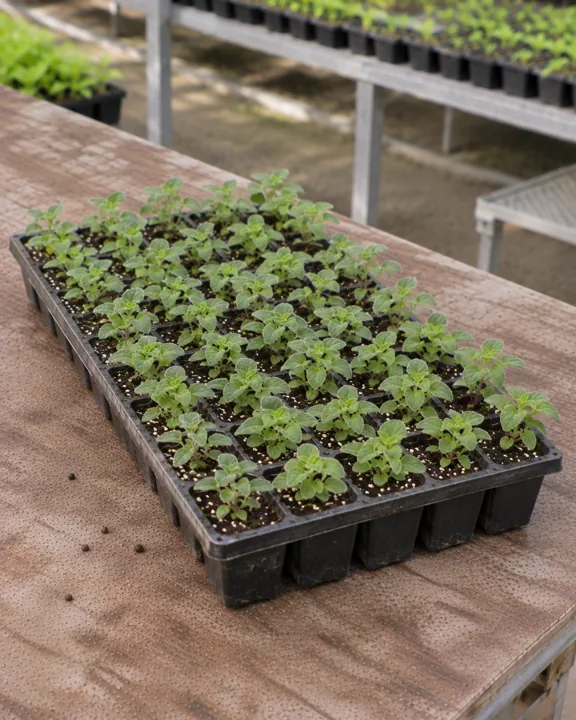 Greek oreganoOriganum vulgareOriganum vulgare03 · Aromatic
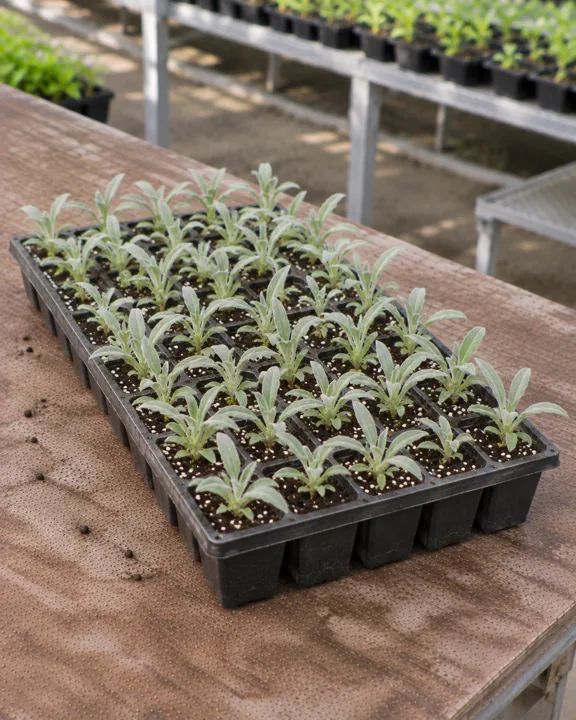 Mountain teaSideritis spp.Sideritis spp.03 · Aromatic
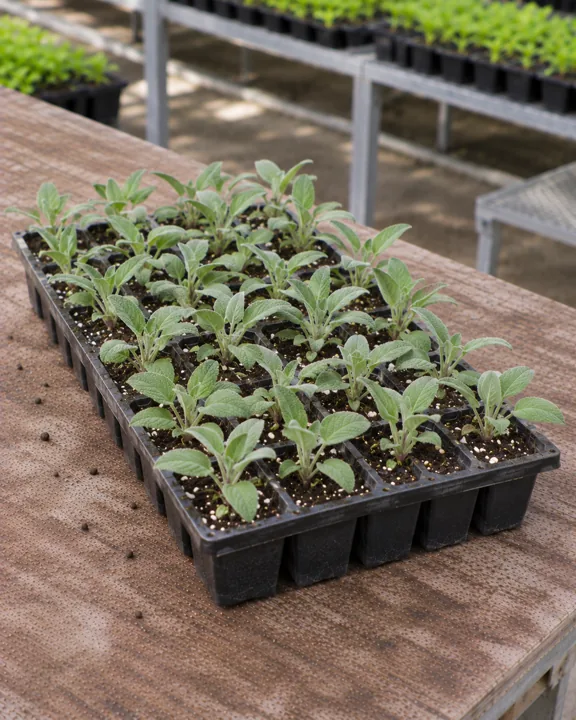 SageSalvia spp.Salvia spp.03 · Aromatic
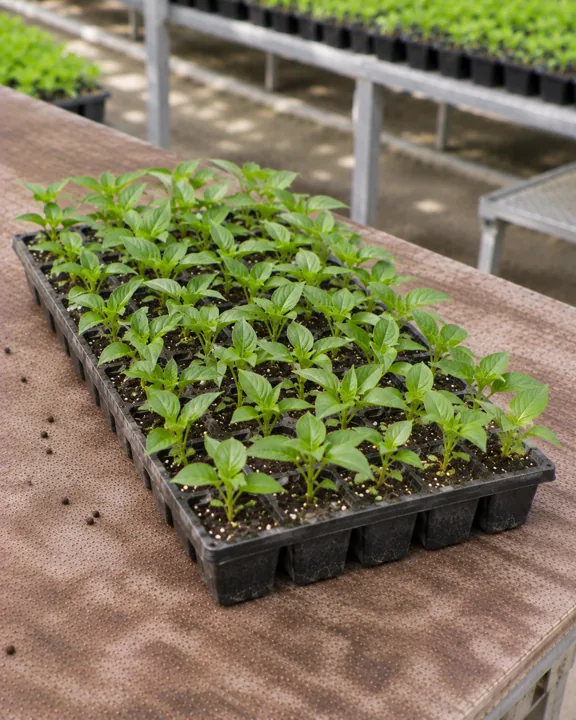 Industrial pepperCapsicum annuumCapsicum annuum04 · Industrial
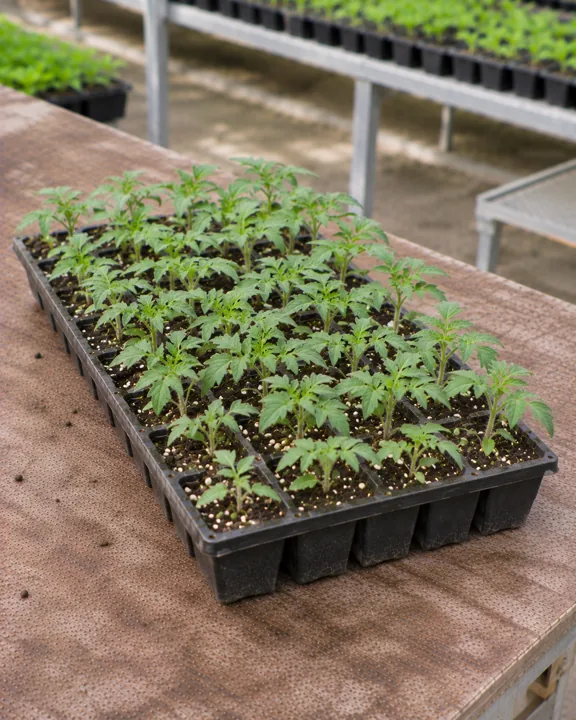 Industrial tomatoLycopersicon esculentumLycopersicon esculentum04 · Industrial
Quality
Certification
Every seedling is supplied with a Plant Passport.
With 21 years of experience, our greenhouse unit produces own-root seedlings of vegetables and leafy greens, as well as grafted vegetable seedlings, intended for open-field and protected cultivation and aimed at the modern grower as well as the home gardener.
All our seedlings are supplied in trays of various sizes and cell counts, depending on the plant species and the customer's order, and each one carries a Plant Passport issued by the Directorate of Agricultural Economy and Veterinary Services.
Phytosanitary inspection is carried out on imported, produced and traded plants, plant products and other objects in accordance with Presidential Decree 365 (Government Gazette 307A/10-12-2002), which transposed Council Directive 2000/29/EC, as in force, into national law, and aims to reduce the risk of introducing and spreading harmful organisms in the country and the EU.
Phytosanitary inspection takes place at points of entry or destination for imported plants, plant products and other objects, and at the premises of producers, importers, exporters and packers for products produced and traded within the country and the other EU member states.
In particular, phytosanitary inspection includes:
- Registration in the Phytosanitary Register of producers, importers and exporters of the plants, plant products and other objects listed in Annex V, Part A of the above Decree, and the issuing of Plant Passports where required.
- Surveys to establish the presence or absence of certain harmful organisms.
- Official measures to eradicate or contain quarantine pests.
Contact