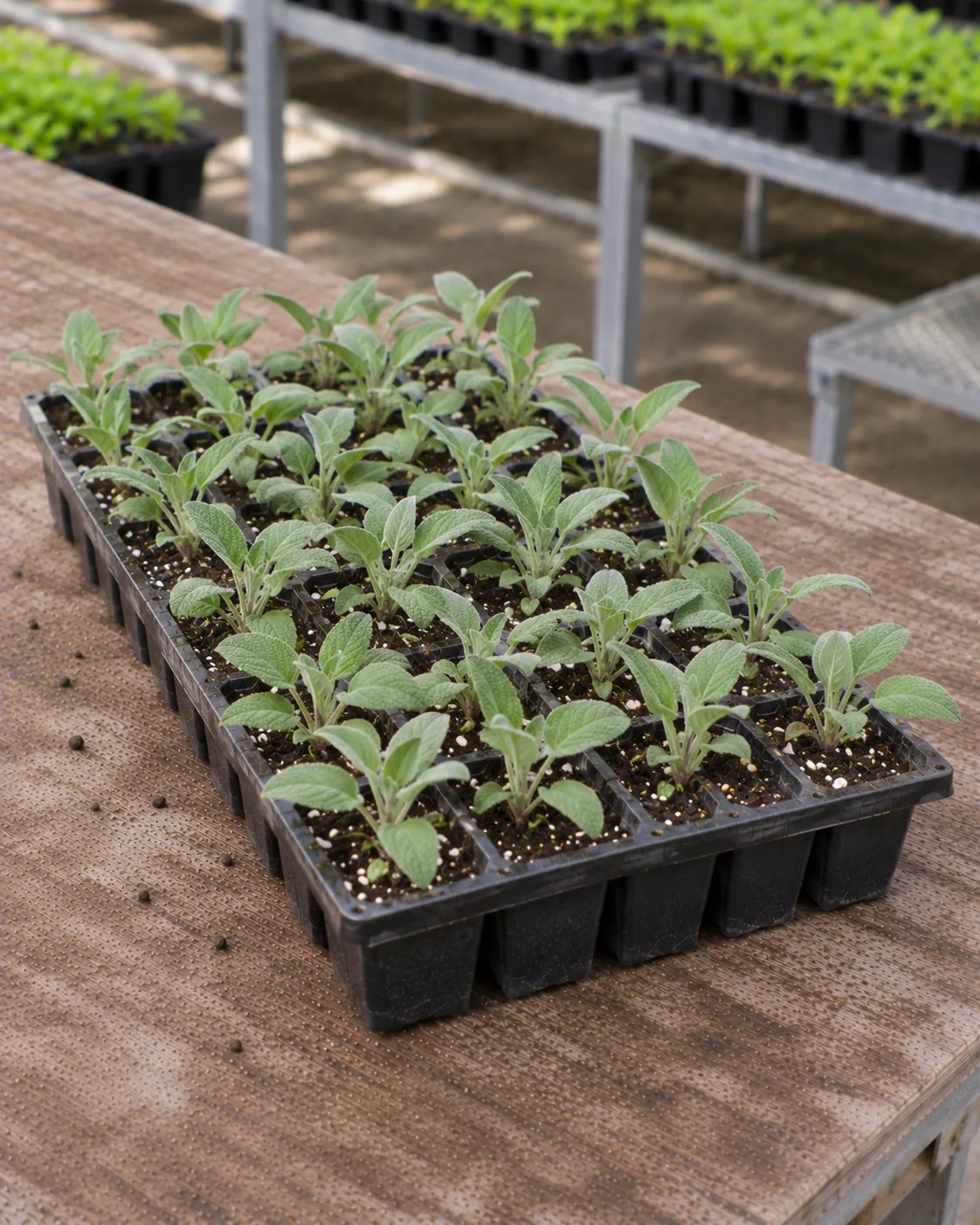
Description / Climate / Soil
A perennial plant (12–15 years). It thrives in both cold and warm areas at altitudes of 0–1,500 m, in medium-textured, calcareous, well-drained soils with pH 6.2–6.4. The main species are Salvia pomifera L., S. grandiflora L., S. triloba L. and S. officinalis L.
Propagation
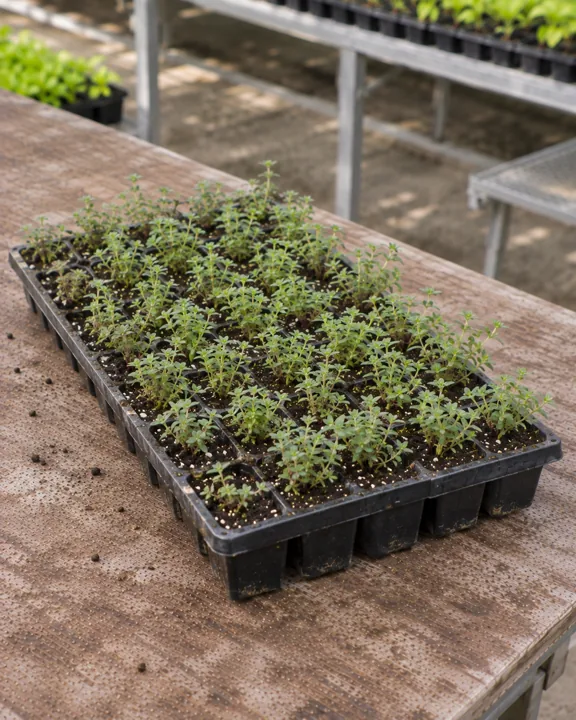
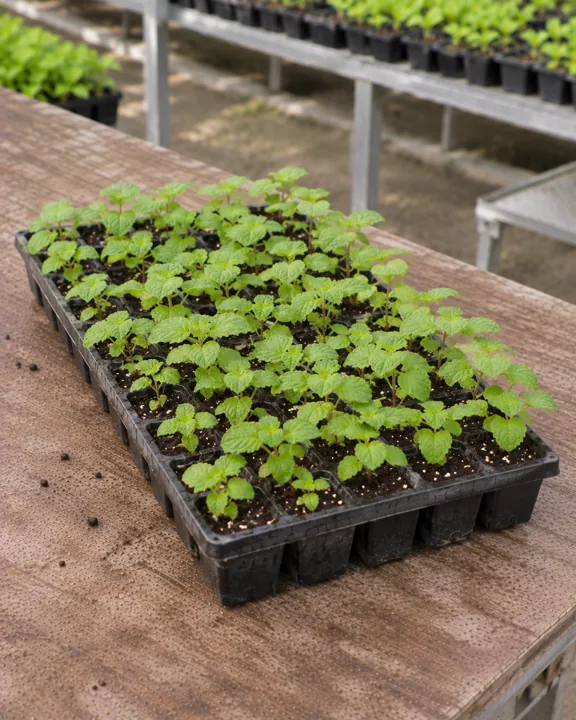
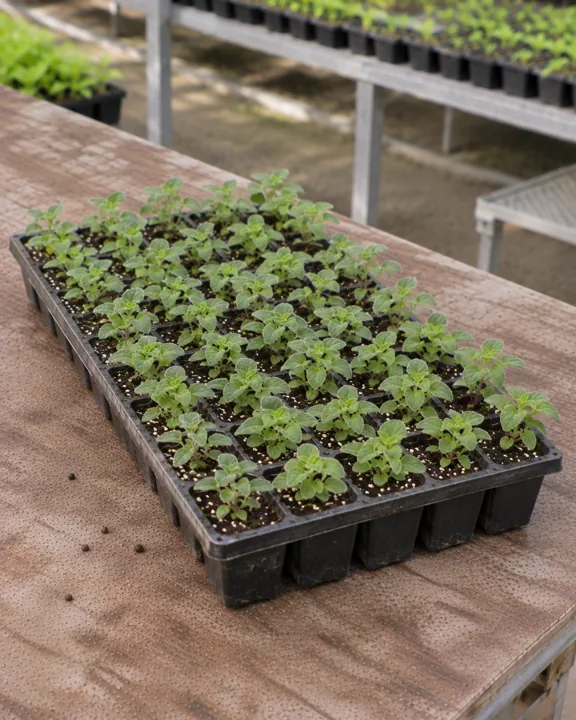
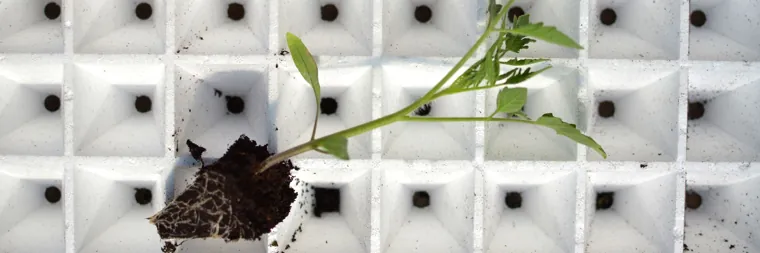
By seed in a seedbed (early August is the best time); seedbeds can also be established in October or March. By seed directly in the field (by hand or with seed drills). By suckers (from old plantations). By cuttings (rooting in 70–75 days).
Planting / sowing season
The best time to transplant to the field is autumn (October–November) or early spring (February–March), in rows 70–80 cm apart with 40–50 cm within the row, using tobacco-planting machines. Weed control (hoeing, herbicides) is essential.
Harvest
Wild sage is harvested from May and June through September; full bloom, which varies by area (coastal or mountainous), is preferable. Cultivated sage is harvested once in the first year and 2–3 times in subsequent years.
Uses
Considered tonic, stimulating to the nervous system, stomachic, diuretic and antitussive. Used as a flavouring in various foods (canned goods, sauces, etc.) and in pharmaceuticals.
Translated from the original Greek product information.
Interested in sage?