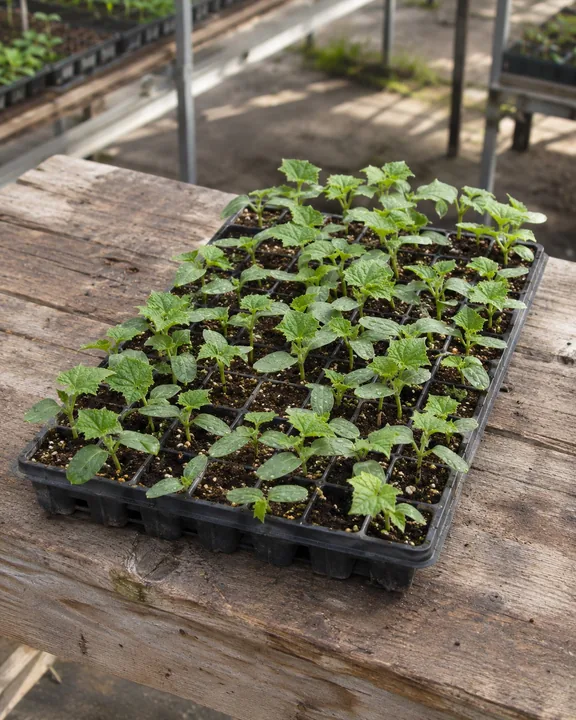
Aubergine
Solanum melongena
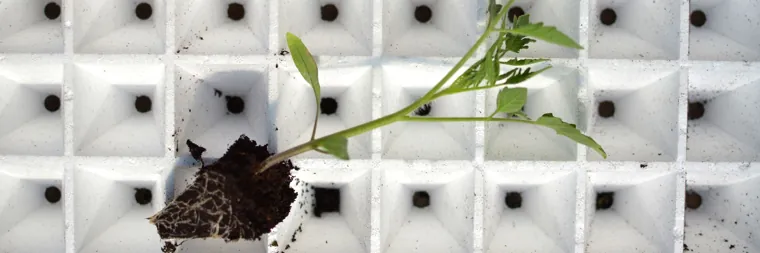
Every seedling is supplied with a Plant Passport.
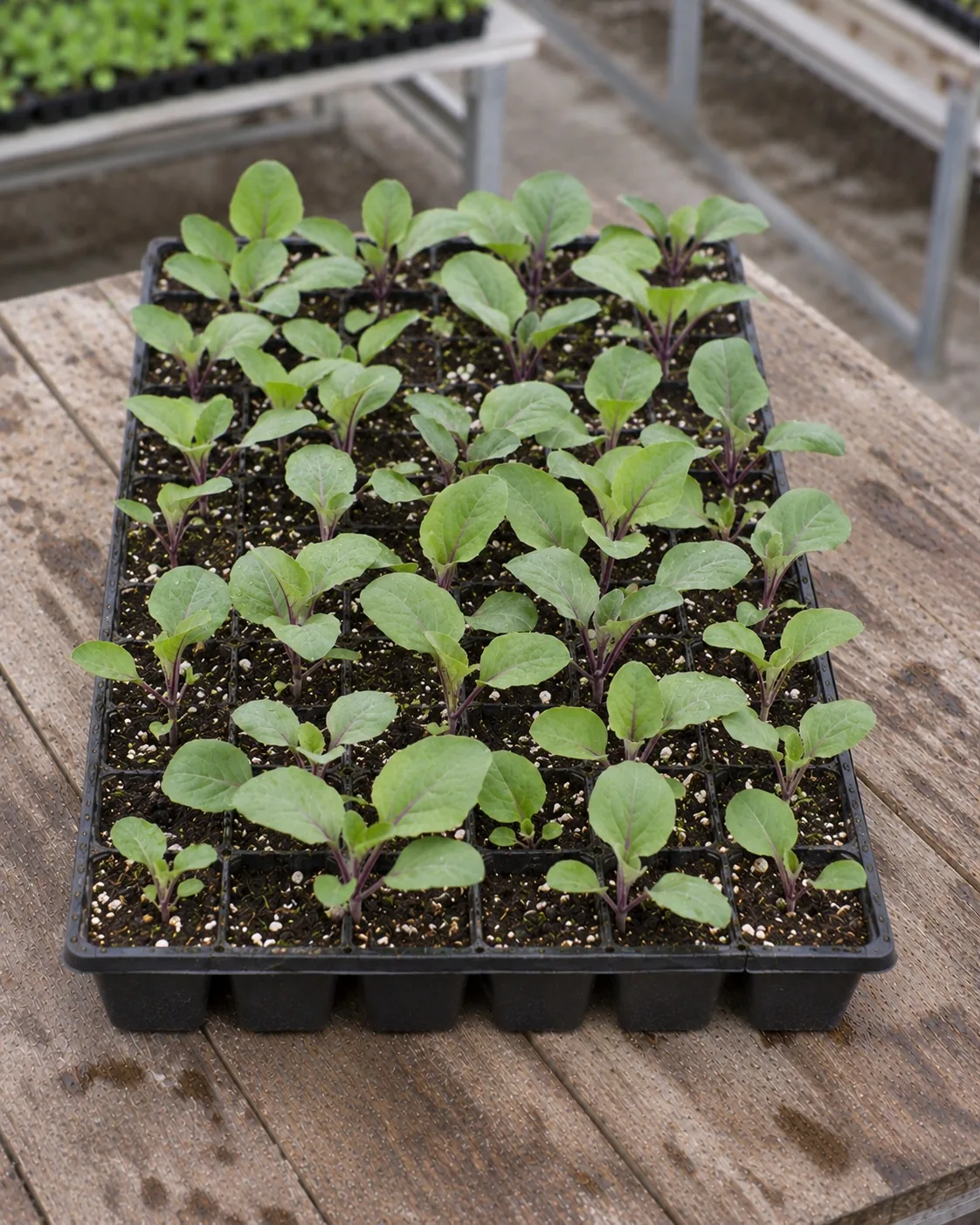
Description
Aubergine is a plant of tropical origin belonging to the Solanaceae family. It came to Europe when the Moors entered Spain in the 16th century.
Cultivation
Aubergines should be planted once the weather has warmed up sufficiently, around the end of March or early April. The ideal germination temperature for aubergine seed is 24–32 °C. Sowing can continue until the end of June; for continuous production, sow at 15-day intervals. The ideal soil is sandy loam, rich in organic matter and well drained, with a pH between 5.5 and 8.0. Aubergines are planted in parallel rows, with 60–90 cm between rows and 45–60 cm between plants within the row.
Harvest
Harvest begins 60–80 days after planting, depending on the variety. Aubergines should have reached a good size and have a glossy surface. If left to over-ripen and turn brown, they should not be eaten, as they then produce solanine, a substance harmful to the body (the same reason green potatoes should not be eaten). Fruits should be picked regularly so that production increases.
Translated from the original Greek product information.
Interested in aubergine?